


Replacing a gutter system is one of those home improvements that looks simple on the surface, but quickly becomes complicated if it isn’t planned properly. A full replacement isn’t just about new gutter lengths; it’s about ensuring every component works together to safely move rainwater away from your property.
Missing parts, incompatible materials, or incorrect sizing can lead to leaks, overflows, staining, and costly repairs later. This checklist walks through everything you need for a complete gutter replacement, helping you plan with confidence, avoid common mistakes, and get the job done the first time.
Why a Complete Gutter Checklist Matters
Many gutter problems don’t come from old or damaged gutters alone; they’re caused by incomplete systems. A missing bracket, undersized downpipe, or poorly sealed joint can compromise even a brand-new installation.
Using a full checklist helps you:
- Accurately budget before ordering materials
- Avoid delays caused by missing components
- Ensure compatibility across the system
- Improve performance and longevity
Whether you’re managing the project yourself or working with an installer, planning the full system upfront saves time, money, and frustration.

1. Gutter Lengths: The Main Collection Channel
Gutters collect rainwater from the roof and direct it towards outlets and downpipes. Choosing the right type is about more than appearance.
Things to consider:
- Profile: Half-round, square, box, ogee, or deep-flow
- Capacity: Larger roofs or areas with heavy rainfall may require deeper profiles
Material:
- Aluminium for durability and corrosion resistance
- Steel for strength on larger spans
- Cast iron for traditional properties and a long lifespan
- Plastic for budget-friendly projects
Measure the full length of your roofline carefully, allowing for corners, joints, and expansion gaps where needed.
2. Brackets and Supports: Keeping Gutters Secure
Brackets do more than hold gutters in place; they maintain alignment, prevent sagging, and ensure correct water flow.
Common bracket types include:
- Fascia brackets (fixed or adjustable)
- Rafter brackets (used when no fascia board is present)
- Internal hangers for a cleaner finish
Correct spacing is critical. Brackets are typically installed every 750–1,000mm, with additional support near outlets and corners where water weight is greatest.
3. Joints, Unions, and Angles: Managing Direction and Expansion
Most gutter systems aren’t straight runs from end to end. Joints and angles allow gutters to change direction while remaining watertight.
You’ll need:
Unions to join gutter lengths
Internal and external angles for corners
Expansion joints for longer runs
Good-quality joints with integrated seals help accommodate thermal movement and reduce the risk of leaks over time.
4. Stop Ends and End Caps: Closing the System
Every gutter run needs a proper termination point. Stop ends or end caps seal the channel and ensure water flows only towards outlets.
They are typically supplied as left-hand or right-hand fittings, depending on system layout, and must match the gutter profile and material exactly.
5. Outlets and Hoppers: Directing Water Downwards
Outlets connect the gutter to the downpipe, while hoppers act as collection points for higher volumes of water or multiple gutter runs.
- Running outlets sit within the gutter length
- Stop-end outlets sit at the end of a run
- Hoppers are often used on larger or more traditional systems
Choosing the correct outlet size is essential to prevent water from backing up during heavy rainfall.
6. Downpipes: Moving Water Away from the Property
Downpipes carry water from the gutter to the ground drainage system.
A complete downpipe setup includes:
- Straight pipe lengths
- Pipe clips or brackets
- Offset bends to navigate around walls or projections
- Shoes or discharge outlets at ground level
Downpipes must be correctly sized and positioned to handle the roof water volume.
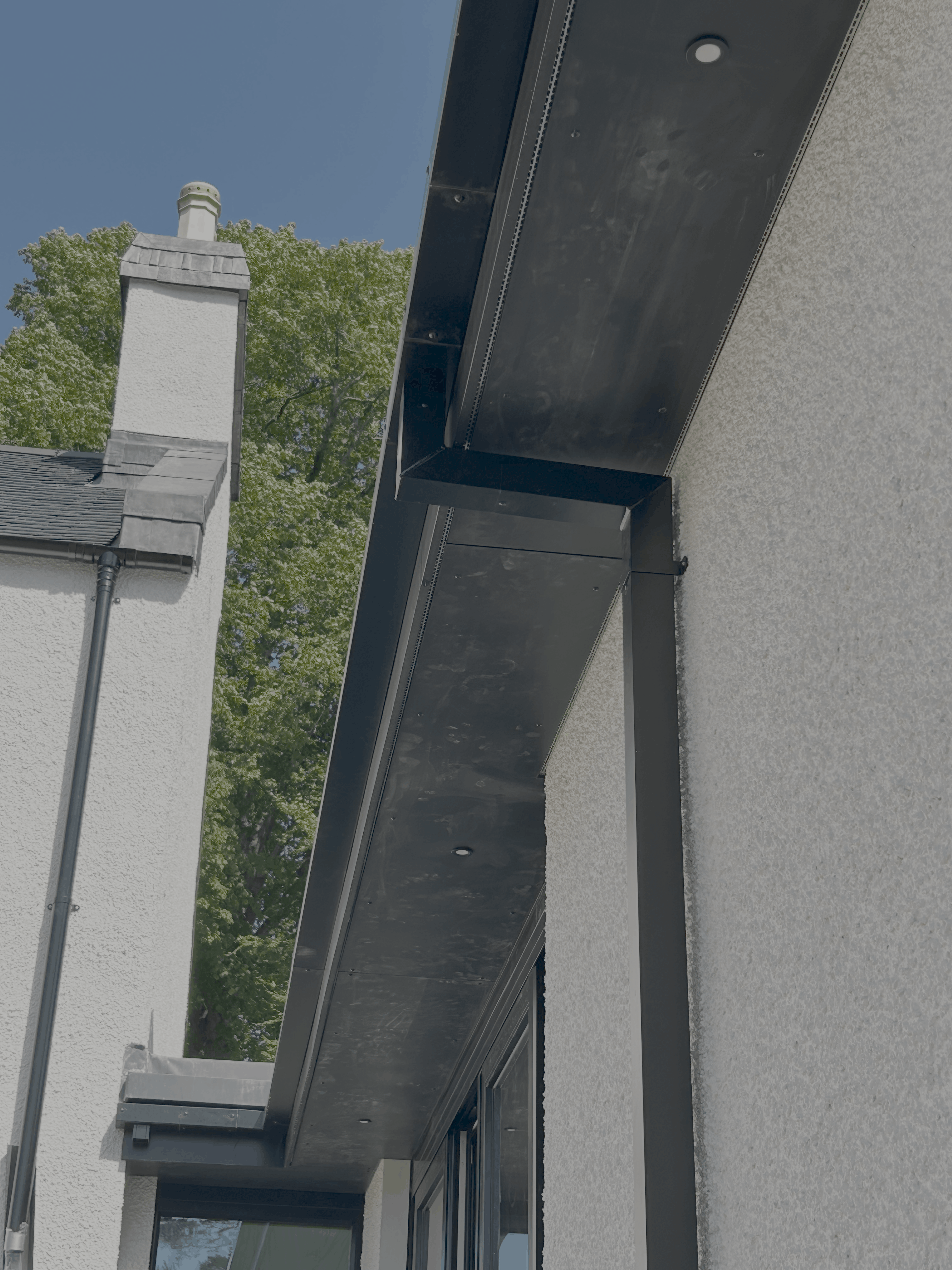
7. Fascias and Soffits: Supporting the Installation
Although they aren’t technically part of the gutter system, fascias and soffits are critical to its performance.
- Fascias provide the fixing point for brackets and help keep gutters aligned.
- Soffits protect the roof overhang and assist with ventilation.
If fascia boards are damaged or uneven, they should be repaired or replaced before fitting new gutters.
8. Leaf Guards and Debris Protection: Reducing Blockages
Blocked gutters are one of the most common causes of overflow and damp issues.
Popular protection options include:
- Mesh guards that cover the gutter opening
- Outlet or balloon guards to protect downpipes
- Debris guards fitted at high-risk areas
While no guard eliminates maintenance entirely, they significantly reduce cleaning frequency.
9. Sealants, Fixings, and Small Essentials
Smaller components are often overlooked but are just as important as the main parts.
Don’t forget:
- Gutter-compatible sealant or joint lubricant
- Screws and wall fixings suited to brick, render, or timber
- Rubber seals or gaskets where required
Using the correct fixings ensures the system stays secure as the building naturally moves over time.
10. Measuring and Compatibility Checks
Before ordering, double-check:
Total gutter run length, including corners
Downpipe positions relative to drains
Bracket compatibility with fascias or rafters
Material consistency across the system
Mixing profiles or materials can cause a poor fit and reduce system lifespan.
Which Gutter Material Is Right for Your Property or Project?
Choosing the right material affects durability, appearance, maintenance, and long-term value.
uPVC (Plastic)
Best for modern homes and budget-friendly replacements. Lightweight, corrosion-resistant, and easy to install, though generally shorter-lived than metal systems.
Aluminium
A strong, all-round option that offers durability without excessive weight. Well-suited to contemporary homes and properties exposed to frequent rainfall.
Steel or Galvanised
Ideal for larger roofs or higher water volumes. Strong and rigid, but requires correct coatings and maintenance to prevent corrosion.
Cast Iron
Often chosen for period or heritage properties. Heavy and more expensive, but extremely durable and visually appropriate for traditional buildings.
As a general guide, uPVC is suitable for straightforward replacements, while aluminium or cast iron is better for homeowners, developers, architects or contractors prioritising longevity and appearance.
Why This Checklist Saves Time and Money
A gutter system only performs as well as its weakest component. Missing or mismatched parts can result in:
Installation delays
Extra labour costs
Leaks and water damage
Premature system failure
Planning the full system upfront ensures smoother installation and better long-term performance.
A Practical Thought
A full gutter replacement doesn’t need to be complicated; it just needs to be thorough. By working through this checklist, you ensure every component plays its part in protecting your home from water damage.
Taking the time to plan properly means fewer issues, less maintenance, and a gutter system that performs reliably for years to come. If you’re searching for a new gutter system or replacing an existing one, explore the full range at Gutter Centre or contact our expert team to see how we can help!
